
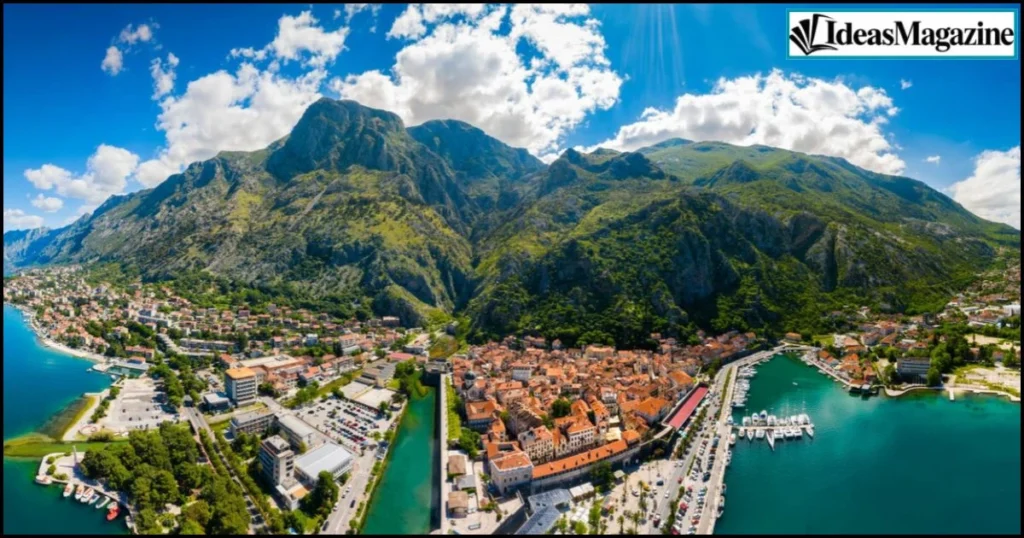
Kotora Melnkalne is a geographical name associated with Kotor, a historic coastal town in Montenegro, southeastern Europe. Situated beside the spectacular Bay of Kotor, the town attracts visitors with its medieval streets, impressive mountain scenery, historic churches and beautiful Adriatic coastline. Although its name may look unfamiliar to English-speaking travellers, the destination itself is one of Montenegro’s best-known places to explore. From walking through the UNESCO-listed historic region to climbing towards San Giovanni Fortress and visiting nearby coastal settlements, there is plenty to experience. Whether you are planning a short European city break or a longer Balkan holiday, understanding the location, attractions, transport options and seasonal conditions can help you organise a more enjoyable trip.
Where Is Kotor, Montenegro Located?
Kotor is located in southwestern Montenegro, along the Adriatic coast of southeastern Europe. It stands at the southeastern end of the Bay of Kotor, a winding coastal inlet surrounded by steep limestone mountains and smaller historic settlements. Its position gives the town a distinctive landscape, with traditional buildings close to the water and mountains rising dramatically behind them.
Montenegro shares borders with Croatia, Bosnia and Herzegovina, Serbia, Kosovo and Albania. This location makes Kotor a useful stop for travellers exploring the Balkans, particularly those combining Montenegro with a visit to Dubrovnik in Croatia. Tivat Airport is the closest airport commonly used by international visitors, while Podgorica and Dubrovnik offer alternatives depending on flight availability. Montenegro uses the euro as its official currency, although it is not a member of the European Union. Kotor is therefore a European destination with its own entry requirements and travel arrangements.
Why Is the Bay of Kotor Famous?
The Bay of Kotor, also called Boka Kotorska, is famous for its combination of deep blue water, steep mountains, historic waterfront settlements and impressive natural scenery. Its curved coastline creates a series of sheltered waters and smaller bays, giving visitors constantly changing views as they travel around the region.
The landscape is sometimes compared with Norwegian fjords because of its narrow waters and dramatic mountain sides. However, the Bay of Kotor is not technically a glacial fjord; its geological formation is different. Its importance also extends beyond scenery. The Natural and Culturo-Historical Region of Kotor was added to the UNESCO World Heritage List in 1979. The protected region includes historic settlements, religious buildings, fortifications and architecture that reflect centuries of Mediterranean maritime and cultural influence. This combination of natural beauty and heritage is a major reason people visit the area.
Best Things to Do in Kotor
Kotor offers a mixture of historic sightseeing, outdoor activities and relaxed coastal experiences. Many of its main attractions are close enough to explore on foot, although the surrounding bay provides opportunities for longer excursions.
Some of the most worthwhile activities include:
- Explore Kotor Old Town: Walk through narrow stone streets, historic squares, traditional shops and cafés.
- Visit St Tryphon’s Cathedral: See an important Romanesque religious building dating back to 1166.
- Climb to San Giovanni Fortress: Follow the historic city walls for impressive views over the rooftops and bay.
- See the Clock Tower: Visit one of the recognisable landmarks in the main Old Town square.
- Take a boat trip: Explore the bay, nearby settlements and Our Lady of the Rocks.
- Visit Perast: Discover a quieter historic waterfront town with traditional architecture.
- Enjoy the waterfront: Spend time watching boats and enjoying the mountain scenery around the harbour.
For a balanced visit, combine the Old Town with one major outdoor activity and a nearby excursion. This gives you time to appreciate the destination rather than rushing between attractions.
Exploring Kotor Old Town
Kotor Old Town, locally known as Stari Grad, is the historic heart of the destination. Surrounded by substantial stone fortifications, it contains narrow lanes, small squares, churches, historic houses and buildings reflecting different periods of Mediterranean and Venetian influence. The Sea Gate, also known as the Main Gate, provides a recognisable entrance into this pedestrian-friendly historic centre.
Visitors can explore the streets independently, stop at cafés, browse small shops and visit important landmarks such as St Tryphon’s Cathedral and the Clock Tower. Allow at least two to three hours for a relaxed first visit, although history enthusiasts may prefer a longer stay.
The Old Town is generally easy to explore without a vehicle, but its stone paving can be uneven. Comfortable walking shoes are advisable, particularly after rain. Remember that the historic centre is a living part of Kotor, not simply an outdoor museum, so visitors should respect residents and local property.
Kotor Montenegro Map and Nearby Places
A Kotor Montenegro map is useful because the main attractions, transport connections and nearby settlements are spread around different parts of the bay. Kotor Old Town sits beside the waterfront, while the main bus station is just outside the historic walls. Tivat lies across the bay towards the airport, Perast is further along the inner bay, and Budva is situated farther south along the Adriatic coast.
The following places are worth understanding when planning day trips:
- Perast: Approximately 14 kilometres from Kotor by road, this historic waterfront settlement is known for its traditional buildings and nearby islands.
- Our Lady of the Rocks: An artificial island near Perast, famous for its church and maritime heritage. Visitors normally reach it by boat.
- Tivat: A coastal town with an international airport and the modern Porto Montenegro marina.
- Budva: A popular seaside destination with beaches, nightlife and a historic Old Town.
- Lovćen National Park: A mountainous protected area offering a different landscape from the coast.
A useful approach is to explore Kotor and Perast together, then reserve another day for Budva or the mountain region. Check actual road conditions and transport availability before fixing your schedule.
How to Get to Kotor and Travel Around
Kotor does not have its own international airport or railway station. Most overseas visitors arrive through Tivat Airport, Podgorica Airport or Dubrovnik Airport in neighbouring Croatia. Tivat is geographically the closest option and is often convenient for reaching Kotor. However, flight availability, transfer prices and seasonal traffic should also influence your decision.
From Tivat Airport, travellers can arrange a taxi, private transfer or car hire. The road journey is relatively short in normal conditions, but queues and congestion can increase travel time during summer. Podgorica Airport is farther away and requires a longer road journey. Dubrovnik Airport can also be useful for international connections, but travelling from Croatia into Montenegro involves crossing an international border, where waiting times can vary.
Kotor’s main bus station is located just outside the Old Town and provides connections to other Montenegrin towns and regional destinations. For visitors carrying luggage, a pre-arranged transfer may be more convenient than relying on an uncertain local connection.
Within Kotor, walking is usually the easiest option. A hire car becomes more useful when exploring several destinations around Montenegro, although parking near the historic centre can be limited. Always check current bus timetables rather than relying on outdated online schedules.
Kotor Cable Car: Opening Dates and Alternatives
The Kotor–Lovćen cable car is an attraction connecting the coastal area near Kotor with the mountain region towards Lovćen. Its journey provides elevated views of the bay and surrounding landscape, making it an appealing experience for visitors who want to see the region from above without undertaking a long mountain drive.
However, seasonal opening arrangements are important. According to the official operator’s current announcement, the cable car is closed until spring 2027, following the end of its 2026 operating season on 31 October. Travellers visiting during the winter period should not include a cable car ride in their confirmed itinerary.
There are still other ways to enjoy elevated scenery. The historic route towards San Giovanni Fortress offers views over Kotor and the bay, while road trips into the Lovćen mountain region provide another perspective when roads and attractions are accessible. Check weather conditions and current access information before travelling into the mountains.
Is Kotor Montenegro Safe for Tourists?
Kotor is an established international tourist destination, and visitors commonly explore its Old Town, waterfront and nearby settlements independently. Nevertheless, normal precautions are important, especially during busy holiday periods when crowded streets, cruise-ship arrivals and transport areas can create opportunities for petty theft.
Keep passports, cash and bank cards secure, use recognised taxi services and agree on fares before starting a journey if the price is not fixed. The fortress climb also deserves attention because its stone steps can be steep, uneven and slippery. Wear appropriate footwear, carry drinking water and avoid climbing during extreme heat or poor weather.
Swimming and boat excursions require separate consideration. Follow local safety instructions, check weather conditions and use reputable operators. Travellers should also review their government’s latest Montenegro travel advice before departure. Safety information can change, so current official guidance is more reliable than assuming that an older travel article remains accurate.
Best Time to Visit Kotor
The best time to visit Kotor depends on whether you prefer warm coastal weather, quieter sightseeing or outdoor activities. Summer, particularly July and August, brings the liveliest atmosphere, longer days and good opportunities for boat trips. However, it also attracts more visitors, and the historic centre, roads and popular waterfront areas can become crowded.
May, June and September are worth considering for a more balanced experience. These months can offer pleasant conditions for walking, sightseeing and exploring nearby settlements without the busiest summer atmosphere. September can be particularly appealing to visitors who want to enjoy the coast while avoiding some of the peak-season crowds.
Winter is generally quieter, but cooler and wetter weather can affect outdoor activities. Seasonal attractions may also close or reduce their operating hours. Before travelling, check the opening arrangements for the fortress route, museums, boat excursions and cable car rather than assuming that every summer attraction operates throughout the year.
Accommodation, Food and Travel Costs
Choosing the right accommodation location can make a significant difference to your Kotor holiday. Staying inside or close to the Old Town offers easy access to restaurants, historic streets and the waterfront. However, some historic properties have narrow staircases, limited vehicle access and no convenient parking. Travellers with large suitcases should check luggage arrangements before booking.
Accommodation outside the Old Town may provide more space, easier parking or quieter surroundings. Properties overlooking the bay can offer attractive scenery, although waterfront views may come with higher prices. Compare the distance to the bus station, restaurants and main attractions rather than judging a property only by its photographs.
Montenegro uses the euro, and many hotels and restaurants accept card payments. Carrying some cash is still sensible for smaller purchases and certain local services. Your budget will depend on the season, accommodation standard, dining choices, transport and paid excursions. Summer generally brings stronger demand, so booking earlier can provide more choice. For a realistic budget, calculate accommodation, airport transfers, meals, local transport and sightseeing expenses separately.
(FAQs)
1. Is Kotora Melnkalne a Real Place?
Kotora Melnkalne is a geographical reference to Kotor in Montenegro, not a separate town. The Latvian National Library’s geographical-name database records the name as Kotora (Melnkalne), with Kotor (Monténégro) as its English preferred term.
2. Which Country Is Kotor Located In?
Kotor is located in Montenegro, a country in southeastern Europe along the Adriatic coast. It is close to Croatia and forms part of the wider Balkan region.
3. Is Kotor in Europe?
Yes, Kotor is in southeastern Europe, within the Balkan Peninsula. It is a coastal town in Montenegro, surrounded by the Bay of Kotor and limestone mountains.
4. How Many Days Should You Spend in Kotor?
Two to three days are suitable for many first-time visitors. This provides time to explore the Old Town, enjoy the waterfront, visit Perast and take a boat excursion or other local trip.
5. Is Kotor Suitable for a Family Holiday?
Yes, Kotor can suit families interested in history, sightseeing and boat trips. However, parents should consider uneven paving, steep fortress steps, summer temperatures and the accessibility of their accommodation when planning activities.
Conclusion
Kotora Melnkalne refers to Kotor, a historic coastal destination in Montenegro that combines medieval architecture, impressive mountain scenery and the beautiful Bay of Kotor. Its UNESCO-listed cultural heritage, walkable Old Town, nearby Perast and opportunities for boat excursions make it an appealing choice for travellers interested in more than a traditional beach holiday.
For a comfortable visit, consider travelling in spring or early autumn, choose accommodation according to your transport and parking needs, and allow enough time for the main attractions. Check current opening arrangements before planning activities, particularly the San Giovanni Fortress route and the seasonal cable car service. Overall, Kotor is a rewarding destination for couples, families and independent travellers who appreciate history, nature and coastal scenery. With realistic planning, it can become one of the most memorable stops on a Montenegro or wider Balkan itinerary.
Pingback: Oxenholme Lake District: Trains, Routes & Travel Tips