
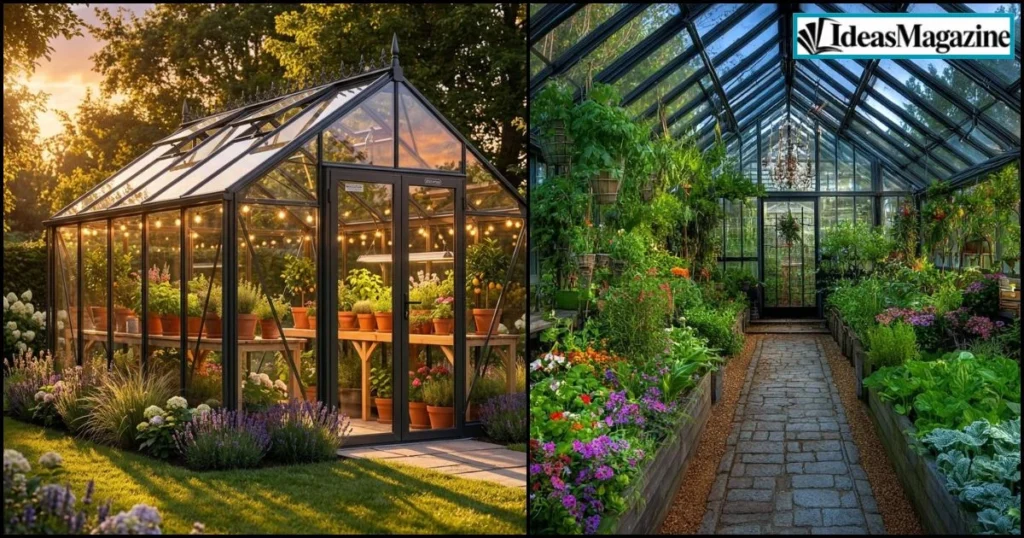
A home greenhouse can transform the way you garden by providing a protected space where plants can grow in more controlled conditions. Whether you have a spacious backyard, a small patio or a compact garden, choosing the right greenhouse can help you raise seedlings, grow fresh vegetables and protect delicate plants from challenging weather. However, selecting a suitable structure involves more than comparing sizes and designs. Materials, sunlight, ventilation, drainage and local climate all influence how well it performs. Some gardeners prefer ready-made greenhouse kits for convenience, while others build their own structures to suit their available space and budget. Understanding these options can help you make a practical investment rather than choosing a greenhouse that becomes difficult to maintain. This guide explores popular designs, materials, installation considerations and growing tips to help you create a productive gardening space.
What Are the Benefits of Having a Home Greenhouse?
One of the biggest benefits is the opportunity to extend the growing season. Gardeners can start seeds earlier, protect young plants from cold weather and continue growing selected vegetables when outdoor conditions become less suitable. A covered structure also reduces exposure to heavy rainfall and strong winds, which can damage delicate seedlings and taller plants. This additional protection can be particularly useful for people who want to grow their own vegetables rather than depending entirely on seasonal outdoor planting.
Another advantage is the flexibility to grow different types of plants in one organised space. Tomatoes, peppers, cucumbers, herbs and salad leaves are popular choices, while flowers and ornamental plants can also benefit from suitable growing conditions. A greenhouse provides dedicated room for seed trays, pots, compost and gardening equipment. However, these benefits depend on proper care. Without sufficient airflow and appropriate watering, excessive heat and humidity can encourage fungal diseases, damage leaves and affect plant growth.
What Should You Consider When Choosing a Small Home Greenhouse?
A small greenhouse can make gardening possible in a limited space, but choosing the correct dimensions is important. Measure the available area before purchasing and allow enough room to open the door, reach plants and carry watering equipment. Consider the internal height as well as the floor dimensions, particularly if you intend to grow tomatoes, cucumbers or other plants that need vertical support. Shelving can increase storage and growing capacity, but placing too many pots together can restrict airflow and make maintenance difficult.
Climate and location should also influence your decision. In hot, sunny regions, adjustable vents, large openings and removable shade cloth are particularly important because enclosed structures can overheat quickly. In cooler areas, stronger coverings and better insulation may be more useful. Check whether the frame is designed to withstand local wind conditions and whether the structure can be securely anchored. Balcony owners should also consider building regulations, weight restrictions and safety requirements. A suitable compact model should provide enough growing room without making everyday access difficult.
What Materials Are Best for a Home Greenhouse?
The covering material affects how much light enters the greenhouse, how well it retains heat and how much maintenance it requires. Glass is a traditional option because it offers clear visibility and allows natural light to pass through effectively. Toughened safety glass is generally a better choice than ordinary glass where breakage could create a safety risk. However, glass panels can be heavy, require a stronger frame and may be expensive to replace. Single glazing also offers limited insulation compared with more specialised coverings.
Polycarbonate panels are popular because they are lightweight, impact-resistant and available in different thicknesses. Twin-wall and multi-wall versions contain air spaces that improve insulation compared with single-layer panels, although their light transmission varies by product. Polyethylene greenhouse film is generally more affordable and useful for covering larger structures, but it can deteriorate and require replacement. For the frame, aluminium is lightweight and relatively low-maintenance, while treated timber provides a natural appearance but needs protection against moisture, rot and insects. Compare durability, insulation, maintenance and replacement costs before deciding.
Are Home Greenhouse Kits Worth Buying?
Ready-made greenhouse kits can be a convenient option for gardeners who want a structure without designing every component themselves. Most kits include the main frame and covering materials, while some also provide doors, vents and basic fixing components. They are available in different sizes, making it easier to find a model for a backyard, patio or larger garden. A greenhouse kit can also simplify installation because its components are designed to fit together according to the manufacturer’s instructions.
However, the cheapest option is not always the best value. Check the frame thickness, panel quality, connector strength, anchoring requirements and availability of replacement parts before purchasing. Find out whether the package includes shelves, roof vents, foundations and installation accessories or whether these cost extra. A kit should also be suitable for your local weather conditions, particularly if the area experiences strong winds or intense sunlight. For many beginners, a well-made kit is worth buying because it saves time and offers a convenient starting point, provided its construction and features meet their actual needs.
How to Build a DIY Home Greenhouse?
Building a greenhouse yourself can provide greater flexibility over its dimensions, materials and internal layout. It may also be a cost-effective option if you already have suitable tools and basic construction skills. Start with a simple design that matches your available space and the plants you intend to grow. A small timber or metal frame covered with greenhouse-grade polyethylene can work for a basic structure, while more permanent projects may use polycarbonate panels and stronger framing. Always select materials designed for outdoor exposure.
A successful DIY project requires careful preparation rather than simply assembling a frame and attaching plastic. Follow these practical steps:
- Choose a suitable location: Select a reasonably level area with appropriate sunlight, drainage and manageable wind exposure.
- Prepare the foundation: Use a stable base, such as a suitable concrete foundation, paving or properly prepared ground-contact timber.
- Secure the frame: Use appropriate fixings and anchoring systems to reduce the risk of movement in strong winds.
- Install the covering: Fit glass, polycarbonate or greenhouse film according to the manufacturer’s instructions.
- Provide ventilation: Include roof vents, side openings or suitable fans to manage internal temperatures.
- Arrange the interior: Position shelves, benches and watering equipment without blocking access or airflow.
Before using the structure, inspect its stability, fixings and drainage. Larger or permanent structures may also require planning permission or compliance with local building requirements, so check the relevant rules before construction.
Where Is the Best Place to Put a Home Greenhouse?
The location of a greenhouse has a direct effect on the amount of sunlight and heat its plants receive. In cooler climates, a position with good exposure to sunlight can support plant growth, particularly during shorter winter days. In hotter climates, protection from intense afternoon sunshine may be more important because internal temperatures can rise rapidly. The ideal position therefore depends on local weather, surrounding buildings, available shade and the types of plants you intend to grow.
Choose a reasonably level area with good drainage so that rainwater does not collect around the foundation. Avoid locations where trees, fences or nearby buildings block too much natural light. At the same time, consider exposure to strong winds, access to a water supply and safe electrical connections if you plan to use fans or heating equipment. Leave enough space around the structure for cleaning, repairs and opening doors. Before finalising its position, observe how sunlight and shade move across the area during the day.
How Do You Maintain a Home Greenhouse?
Regular maintenance helps keep the growing environment suitable and protects the structure from unnecessary damage. Temperature is one of the most important factors to monitor because a greenhouse can become considerably hotter than the outdoor air, particularly during sunny weather. Open doors and vents when necessary, install circulation fans where appropriate and use shade cloth to reduce excessive heat. In cooler conditions, insulation and suitable heating equipment can help protect sensitive plants, although heating should be selected and installed safely.
Cleaning and pest monitoring are equally important. Remove dead leaves, fallen flowers and plant debris rather than allowing them to collect around growing areas. Wash pots, benches and tools periodically, and inspect panels, seals and frame connections for damage. Pay attention to condensation and humidity, especially when the structure remains closed overnight. Persistent moisture and stagnant air can encourage fungal diseases. Check the undersides of leaves for insects, monitor plants for unusual marks and water according to their individual requirements. These simple habits can help identify problems before they spread.
What Plants Can You Grow in a Home Greenhouse?
A greenhouse can support vegetables, herbs, flowers and ornamental plants, depending on its temperature, light levels and available growing space. Tomatoes, cucumbers, peppers and aubergines are popular choices for gardeners who want to produce their own vegetables. Basil, parsley, coriander and other herbs can also grow successfully when their watering and sunlight requirements are met. For smaller structures, salad leaves, spinach and compact varieties of lettuce are practical options because they do not require as much vertical space.
You can also use the structure to raise seedlings before transferring them to outdoor beds or containers. Flowers and tender ornamental plants may benefit from protection against unsuitable weather, while tropical plants may require additional warmth and humidity. Avoid growing plants with very different environmental requirements in the same area unless you can manage separate conditions. Group similar plants together, provide enough spacing for airflow and use appropriate containers or growing beds. Choosing crops according to your available space and local climate will make the greenhouse easier to manage and more productive.
(FAQs)
What Are the Best Home Greenhouses?
Polycarbonate walk-in greenhouses are a popular choice for durability and practical growing space. Lean-to and mini greenhouses suit smaller gardens and patios.
How Warm Do Greenhouses Stay in Winter?
Greenhouses can stay warmer than outside during sunny periods, but temperatures may drop overnight. Insulation and suitable heating can help protect plants from the cold.
Can You Put a Greenhouse Inside Your House?
Yes. A small greenhouse cabinet or indoor growing shelf can support herbs, seedlings and ornamental plants. Good lighting and airflow are important.
What Are Some Ideas for a Home Greenhouse?
Consider a compact patio greenhouse, a lean-to design or a DIY timber structure. Shelving, hanging baskets and drip irrigation can also help maximise space.
Conclusion
A greenhouse can be a valuable addition to a garden, patio or other suitable outdoor space. It offers greater control over growing conditions, protects vulnerable plants and gives gardeners more opportunities to raise seedlings and grow fresh vegetables. However, choosing the right structure involves more than comparing prices or selecting an attractive design. Covering materials, frame strength, ventilation, drainage, sunlight and available working space all influence its long-term usefulness.
For smaller gardens, a compact or lean-to model may provide enough room without taking over the available area. Gardeners with more space may prefer a freestanding structure with room for benches and different crops. Ready-made kits offer convenience, while DIY designs provide greater flexibility. Ultimately, the best choice is a durable, well-ventilated structure that suits your climate, budget and gardening needs. With sensible planning and consistent maintenance, it can support a more productive and enjoyable gardening experience throughout the year.
Pingback: Moe’s Home Collection Reviews: Is It Worth Buying?