
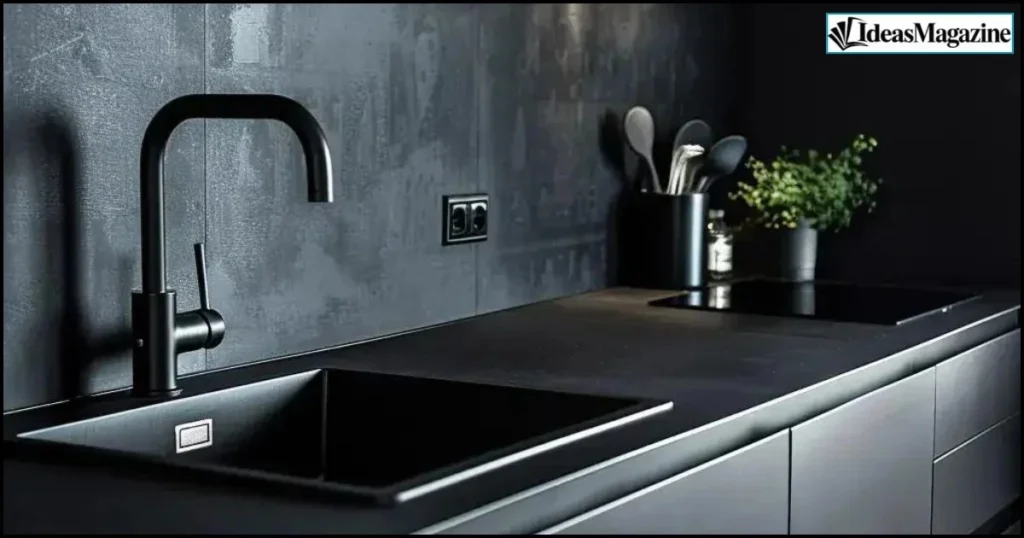
Choosing the right kitchen sink involves more than finding a design that matches your worktops. It needs to handle everyday washing, food preparation and cleaning while fitting comfortably into your kitchen. A black kitchen sink has become a popular design choice for homeowners who want something different from traditional stainless steel. Available in materials such as granite composite and coated stainless steel, these sinks offer a range of finishes and installation styles. However, their appearance is only one part of the decision. Cleaning requirements, water marks, scratches, material quality and installation costs can all affect long-term satisfaction. Whether you are renovating a kitchen or replacing an existing basin, understanding the advantages and disadvantages will help you choose a suitable option for your home.
What Is a Black Kitchen Sink?
A black kitchen sink is a basin finished in a black or dark colour, designed for everyday kitchen activities such as washing dishes, rinsing vegetables and cleaning cookware. It is available in different materials, including granite composite, coated stainless steel and ceramic. Depending on the product, the finish may be smooth, textured, glossy or matte.
Unlike conventional silver stainless steel sinks, dark designs create a stronger visual contrast against lighter worktops and cabinets. They can also complement darker kitchens with matching taps, handles and appliances. However, the colour alone does not determine performance. The material, construction and quality of the surface finish are more important when considering durability, cleaning and everyday use.
What Are Black Kitchen Sinks Made Of?
Granite composite is one of the commonly available materials for dark kitchen sinks. It generally combines crushed stone particles with a resin binder to create a solid, stone-like surface. These sinks are available in different colours and finishes, although their exact composition and care requirements vary between manufacturers. Their appearance can suit homeowners looking for an alternative to conventional metal basins.
Another option is coated stainless steel, which uses a stainless steel base with a dark surface treatment. This provides a metallic sink with a different appearance from traditional silver models. Ceramic sinks are also available in dark finishes, although product availability and construction vary. Before purchasing, check the manufacturer’s specifications rather than assuming every material offers the same resistance to scratches, heat or staining.
What Is the Difference Between Matte Black and Nano Black Sinks?
Matte black describes a surface appearance with little or no shine. It creates a subtle, modern look and can work particularly well with contemporary cabinets and simple kitchen fittings. However, matte finishes are not all made from the same material. Their cleaning requirements and resistance to marks depend on the underlying construction and surface treatment.
Nano black is a term commonly used for sinks with a treated or coated dark surface, particularly on stainless steel models. It describes a finish or treatment rather than guaranteeing a specific level of quality. Different manufacturers may use different processes, so products sold under this name should not automatically be considered equally durable. Check the construction, coating information, warranty and care instructions before comparing prices.
What Are the Advantages of a Black Kitchen Sink?
One of the main attractions is its appearance. A dark basin can create an attractive contrast against white, cream or light grey worktops. It can also coordinate with black taps, cabinet handles and kitchen appliances, helping create a consistent design without requiring every surface to have the same colour.
Other advantages include:
- Versatile styling: Black complements modern, industrial and minimalist kitchens.
- Different materials: Buyers can choose from composite, coated steel and other constructions.
- Design flexibility: Dark finishes work with both light and dark cabinets.
- Visual impact: A contrasting sink can become an attractive feature in the kitchen.
These benefits make dark sinks appealing, but appearance should not be the only deciding factor. Material quality, bowl size and maintenance requirements remain important when choosing a product for regular household use.
What Are the Disadvantages of a Black Kitchen Sink?
Although dark sinks can look attractive, they have some practical disadvantages. One common concern is the visibility of limescale and mineral deposits. In areas with hard water, pale marks may develop around the tap, drain and basin. These deposits can be particularly noticeable against a dark surface, especially when water is allowed to dry naturally.
Surface damage is another consideration. Some coated stainless steel finishes can become scratched or damaged by abrasive cleaning products and unsuitable utensils. Composite sinks also require appropriate care, even though their construction differs from coated metal. Replacement costs and availability of matching accessories may vary between brands. Homeowners should consider these factors before choosing a design based purely on its appearance.
Are Black Kitchen Sinks Hard to Clean?
They are not necessarily harder to clean than other sinks, but certain marks can be more visible. Dried water droplets, soap residue and white mineral deposits may stand out against a dark finish. This is particularly relevant in households with hard water, where limescale can accumulate around frequently used areas.
The amount of maintenance required depends on the material and surface texture. A smooth coated stainless steel basin may need different care from a textured composite model. Regular rinsing, removing food particles and wiping away water after use can help keep the sink looking presentable. For most households, these are manageable habits, but anyone who prefers minimal maintenance should consider local water conditions before purchasing.
How Do You Clean and Maintain a Black Kitchen Sink?
Regular cleaning is generally more effective than waiting until visible marks and deposits have developed. Use a soft cloth or non-abrasive sponge with a mild cleaning product approved for the sink material. Rinse the surface thoroughly to remove food particles and cleaning residue, then dry it with a soft cloth to reduce visible water marks.
For everyday maintenance, follow these practical steps:
- Remove leftover food and debris after washing dishes.
- Avoid leaving tea, coffee and strongly coloured food residue for extended periods.
- Dry the basin after use, particularly around the tap and drain.
- Use cleaning products recommended by the manufacturer.
- Avoid abrasive pads and harsh chemicals unless specifically approved.
Do not assume that bleach, vinegar or other household cleaners are suitable for every finish. Always check the manufacturer’s instructions before using a new cleaning product.
Do Black Kitchen Sinks Scratch or Show Water Spots?
Yes, some dark sinks can scratch or show water spots, although the extent depends on their material and finish. Coated stainless steel may be vulnerable to surface damage if sharp objects or abrasive cleaning pads repeatedly come into contact with it. Granite composite has different surface characteristics, but it is not completely immune to damage or wear.
Water spots are another common concern, particularly in hard-water areas. Mineral deposits can leave pale marks on a dark basin, making it appear less clean even when it has been rinsed. These marks do not necessarily indicate permanent damage. Regular drying can help prevent deposits from building up, while following the manufacturer’s cleaning advice can protect the finish.
What Sizes and Installation Styles Are Available?
Kitchen sinks come in different widths, depths and bowl configurations. Compact single-bowl models can suit smaller kitchens, while wider double-bowl designs may be more convenient for households that regularly wash larger quantities of dishes. Dimensions vary between manufacturers, so always check the product measurements instead of relying on general size descriptions.
Top-mount sinks are fitted into a worktop opening, with the rim resting on the surface. Undermount models sit beneath the worktop, allowing crumbs and water to be wiped towards the basin more easily. Farmhouse designs have an exposed front panel. Before ordering, check the cabinet width, cut-out measurements, tap position and plumbing space. Also confirm that the worktop material and cabinet support are suitable for the chosen sink, particularly if the design is heavy or requires specialist installation.
What Factors Affect the Price of a Black Kitchen Sink?
The price depends on several factors, including material, dimensions, bowl arrangement, finish and manufacturer. A basic coated stainless steel model may cost less than a larger granite composite design or a specialist farmhouse sink. Additional features, such as integrated accessories and specialised fittings, can also affect the overall purchase price.
UK buyers should compare prices in pounds sterling, while customers in the USA should check prices in US dollars. However, the advertised product price may not include delivery, taps, waste fittings, plumbing work or worktop alterations. Comparing the complete installation cost provides a more realistic picture of the expense. It is also worth checking the warranty, included accessories and cleaning requirements rather than choosing a product simply because it has the lowest initial price.
What Should You Consider Before Buying a Black Kitchen Sink?
A suitable sink should fit your kitchen, household routine and available budget. If you are replacing an existing basin, measure the cabinet and worktop opening carefully. For a new kitchen, confirm the dimensions with your kitchen designer or installer before ordering. This can help prevent problems with fitting and plumbing later.
Consider these important points before purchasing:
- Material: Compare granite composite, coated stainless steel and other available constructions.
- Bowl arrangement: Choose between single, double and one-and-a-half bowls.
- Finish: Decide whether matte, textured or glossy surfaces suit your kitchen.
- Installation: Check top-mount, undermount or farmhouse compatibility.
- Maintenance: Read the manufacturer’s cleaning and care instructions.
- Warranty: Understand what is covered, including surface and coating defects.
Also check tap-hole arrangements, waste fittings and the availability of compatible accessories. These details can make a difference to the overall installation and everyday convenience.
(FAQs)
Is a black sink good for a kitchen?
Yes. A black sink can be both practical and attractive when it is made from a suitable material and installed correctly. It offers a distinctive appearance and can complement many kitchen styles. Consider cleaning requirements and local water conditions before choosing one.
Do black kitchen sinks fade over time?
Some finishes may change in appearance because of prolonged use, unsuitable cleaning products or surface damage. However, fading is not inevitable. Following the manufacturer’s care instructions and choosing a well-specified product can help maintain its appearance.
Can you use bleach on a black kitchen sink?
Do not use bleach unless the manufacturer specifically approves it for your sink’s material and finish. Certain chemicals may damage coatings or affect the surface appearance. A suitable mild cleaner is generally a better option for everyday maintenance.
Can you paint an existing kitchen sink black?
Some existing sinks may be suitable for specialist refinishing, but ordinary household paint is not designed for constant water exposure, cleaning and daily wear. Check whether a professional refinishing system is appropriate for the existing material before attempting to change its colour.
Which is better, a black or stainless steel kitchen sink?
Neither is universally better. Black sinks offer additional colour and design choices, while traditional stainless steel has a familiar metallic appearance and is widely used in kitchens. Compare material quality, cleaning requirements, cost and personal preferences before deciding.
Conclusion
A black sink can bring a modern and distinctive appearance to a kitchen, but choosing the right one requires more thought than simply selecting a colour. Material, surface finish, bowl size, installation method and maintenance requirements all influence how well it performs over time. Granite composite, coated stainless steel and other materials offer different characteristics, so comparing their construction and manufacturer guidance is essential.
Homeowners should also consider local water conditions, as mineral deposits can be more noticeable on dark surfaces. Overall, a well-chosen model can be an attractive and functional addition to both traditional and contemporary kitchens. The best purchase is not necessarily the most expensive or feature-rich option. It is the one that fits your kitchen, suits your daily needs and offers a finish you are comfortable maintaining.